Periodontal Treatment Ventura for Chronic Gum Problems
Chronic gum problems rarely begin with pain. More often, they start quietly, with bleeding during brushing, persistent bad breath, or gums that look a little swollen around the back teeth. People adjust to these changes for months, sometimes years, because the discomfort stays mild and life stays busy. By the time they seek care, the issue is no longer simple gingivitis. It has moved into periodontal disease, where the gums, supporting bone, and ligament around the teeth are under steady attack.
That slow progression is what makes periodontal care so important. A cavity usually announces itself. Gum disease often does not. When patients finally sit in the chair and hear terms like pocket depth, attachment loss, or bone resorption, the surprise is genuine. They thought they had sensitive gums. What they actually had was a chronic inflammatory condition that had been damaging the foundation of their teeth.
For patients looking into Periodontal Treatment Ventura, the key is understanding that this is not just a cleaning issue. It is medical-dental treatment aimed at controlling infection, reducing inflammation, preserving bone, and helping teeth remain stable over the long term. The right plan depends on how far the disease has progressed, how the body is responding, and whether risk factors like smoking, diabetes, clenching, dry mouth, or inconsistent home care are in the picture.
Why chronic gum problems deserve prompt attention
Healthy gums fit snugly around the teeth. They do not bleed easily, and they do not pull away from the enamel. In periodontal disease, bacterial biofilm accumulates along and beneath the gumline. The immune system reacts, and that reaction, when sustained, can begin to damage the tissue and bone that hold teeth in place.
This is where many people get tripped up. They assume the bacteria alone are the problem. In practice, the damage comes from the combination of bacterial accumulation and the body's inflammatory response. Two people can have similar plaque levels and very different rates of progression. One may show mild swelling and little attachment loss. Another may lose bone quickly, especially if smoking or uncontrolled blood sugar is adding fuel to the fire.
Untreated periodontal disease can lead to gum recession, loose teeth, changes in bite, exposed roots, abscesses, and eventual tooth loss. It can also make routine dental work more difficult. A crown on a tooth with active gum disease is not on stable ground. An implant placed into a mouth with untreated periodontal infection carries a higher risk of complications. Even cosmetic concerns often trace back to periodontal health. Teeth can look longer because gums have receded. Black triangles can appear between teeth after bone loss. Breath changes can become persistent and socially disruptive.
What patients usually notice first
The early signs are often subtle enough to dismiss. Someone brushes and sees pink in the sink, then assumes they brushed too hard. Another notices floss shredding between two molars and thinks it is just a food trap. Others mention a metallic taste, tenderness in one area, or gums that seem to puff up and calm down in cycles.
Common symptoms tend to include the following:
- bleeding when brushing or flossing
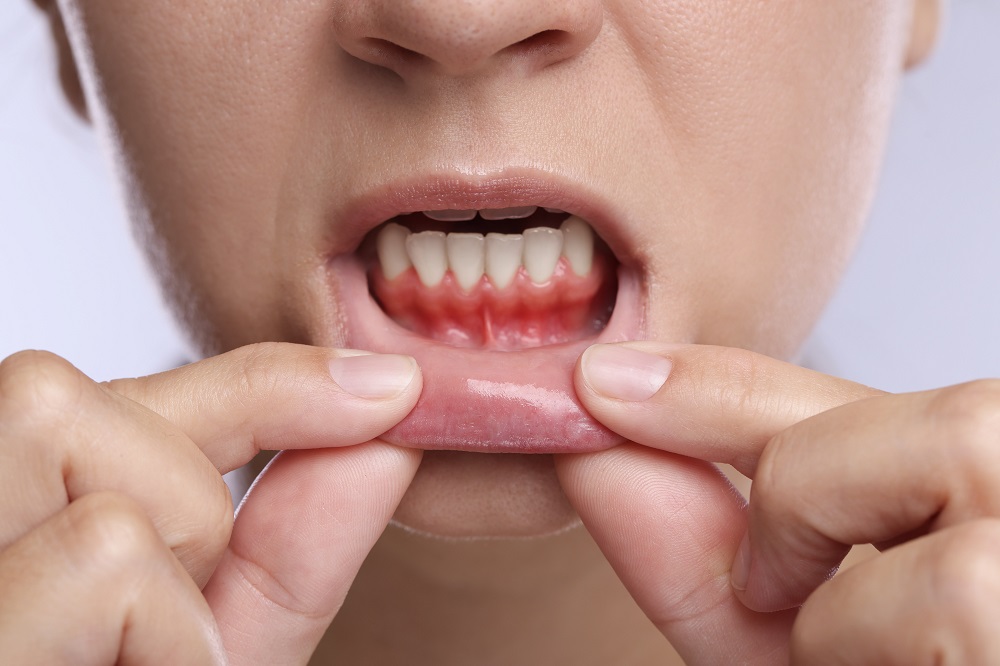
- red, swollen, or shiny gums
- chronic bad breath or a sour taste
- gum recession or teeth that appear longer
- shifting teeth or a bite that feels different
Not every patient has every sign, and some have advanced disease with very little discomfort. That mismatch between severity and symptoms is one reason regular exams matter. A periodontal probe and a good set of radiographs often reveal more than the mirror at home ever could.
How a periodontal evaluation actually works
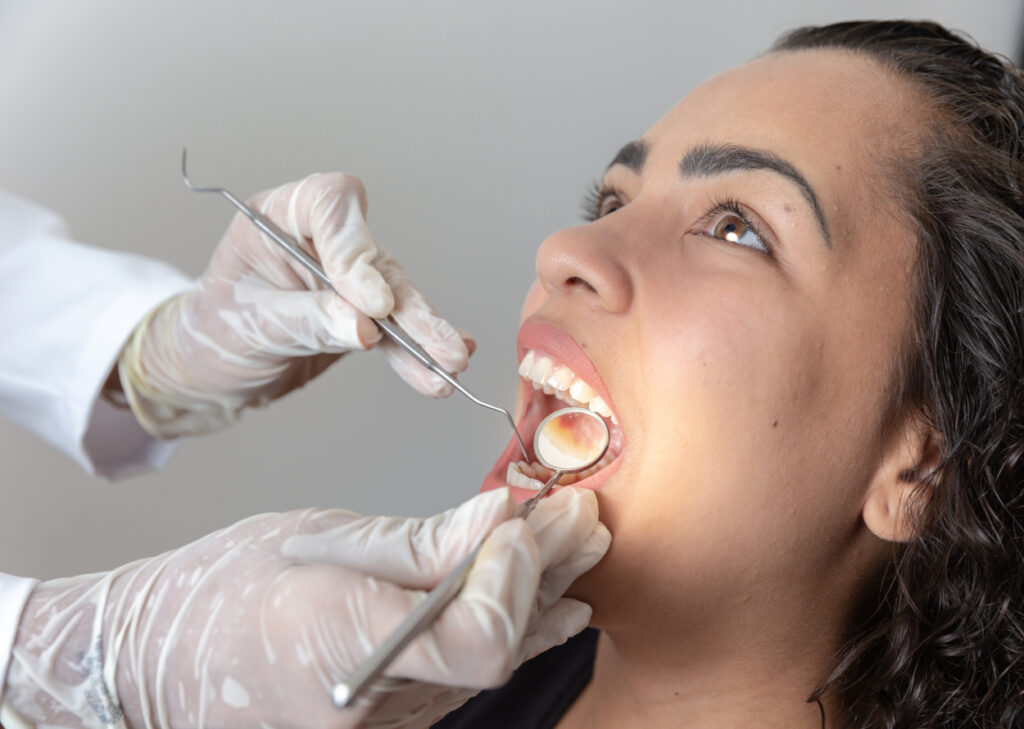
A proper periodontal exam is far more detailed than a quick glance at the gums. The goal is to measure what is happening below the visible edge of the tissue and to establish a baseline that can be tracked over time.
The clinician checks pocket depths around each tooth, usually at six points. In a healthy mouth, those measurements are generally shallow. As gum disease progresses, pockets deepen because the gum detaches and the supporting structures break down. Bleeding points, recession, mobility, furcation involvement on molars, plaque retention areas, bite forces, and radiographic bone levels all help tell the full story.
This is also the stage where patterns matter. If the deepest pockets are concentrated around old crowns with bulky margins, restoration design may be contributing. If recession is pronounced on canines and premolars, aggressive brushing or clenching may be involved. If inflammation is generalized despite decent home care, diabetes, medication side effects, or mouth breathing may be worth discussing.
In Ventura, as elsewhere, a strong treatment plan starts with diagnosis, not assumptions. The words "deep cleaning" get used casually, but not every inflamed mouth needs the same therapy, and not every patient benefits from the same sequence of care.
Gingivitis versus periodontitis
Gingivitis is inflammation limited to the gums. It can cause bleeding, swelling, and tenderness, but it has not yet produced the attachment and bone loss that define periodontitis. With good professional cleaning and consistent home care, gingivitis is usually reversible.
Periodontitis is different. Once the bone and connective attachment are lost, the goal shifts from simple reversal to control, stabilization, and maintenance. Some healing can occur, and certain regenerative procedures may help in selected areas, but the body does not simply grow back all lost support on its own because someone started flossing again.
This distinction matters because many patients hear "gum disease" and assume they can handle it with a better toothpaste. Better habits help, but chronic periodontitis typically requires active professional treatment. Waiting often means deeper pockets, more recession, and fewer conservative options later.
What Periodontal Treatment Ventura often includes
The phrase covers a range of services, from early intervention to advanced surgical care. Treatment is tailored to disease severity, anatomy, health history, and patient goals. For many adults with chronic gum problems, the first active step is non-surgical periodontal therapy.
Scaling and root planing, often called deep cleaning, removes hardened deposits and bacterial buildup from below the gumline. It also smooths root surfaces so the tissue has a better chance to reattach and inflammation can settle. In practical terms, this is more involved than a routine prophylaxis. It may be completed in sections with local anesthetic, especially when pockets are deeper or the deposits are tenacious.
After that initial phase, a reevaluation usually follows in several weeks. This timing matters. Treating and then immediately judging the result does not give the tissue enough time to respond. Once the inflammation comes down, true pocket depths become clearer, and the clinician can see which sites improved and which remain stubborn.
In many cases, non-surgical care does a great deal. Pockets shrink, bleeding reduces sharply, and patients notice fresher breath and less tenderness. But some areas do not respond fully, especially where anatomy is difficult, old calculus is deeply embedded, or vertical bone defects are present. That is when additional periodontal procedures may be considered.
When surgery becomes part of the conversation
Surgical periodontal treatment is not automatically a sign of failure. Sometimes it is the most direct way to access diseased areas that instruments cannot effectively reach through deep, inflamed pockets. Sometimes it is indicated because the shape of the bone creates a defect that might benefit from regenerative techniques. Sometimes recession is advanced enough that root coverage or soft tissue grafting becomes part of a comprehensive plan.
A few common reasons surgery enters the discussion include persistent deep pockets after scaling and root planing, furcation problems around molars, gum recession with root https://beckettweml026.summitquill.com/posts/periodontal-treatment-ventura-for-mild-moderate-and-severe-gum-disease sensitivity, or defects where bone grafting may help preserve support. The exact procedure varies. Flap surgery allows access for more thorough debridement and reshaping when needed. Grafting procedures may be used to improve contour, cover exposed roots, or support regeneration in selected defects.
Patients often worry that surgical care means a dramatic recovery. In reality, many periodontal surgeries are well tolerated with local anesthetic, careful post-op planning, and a few quieter days afterward. The first week usually matters most. Soft foods, gentle cleaning around the area, and close adherence to instructions make a visible difference in healing.
The maintenance phase that determines long-term success
This is the part that gets underestimated. Periodontal treatment is not a one-time event for chronic disease. It is ongoing management. Once someone has had periodontitis, they carry a higher risk of recurrence. The bacterial environment can repopulate, and old habits can return quietly.
That is why periodontal maintenance visits differ from standard cleanings. These appointments are scheduled based on risk, commonly every three to four months at first, though intervals vary. The clinician reassesses pocketing, bleeding, plaque control, and any sites that have shown prior instability. Areas beneath the gumline may need repeated instrumentation to disrupt recurring bacterial buildup before it matures into a more damaging biofilm.
Patients sometimes ask why they cannot simply return to six-month cleanings after treatment. The answer is straightforward. If their disease took years to develop in a mouth that did not thrive on a six-month schedule, going back to that same schedule may not serve them well. Maintenance is preventive treatment for a known chronic condition. It protects the gains made during active therapy.
Home care that genuinely helps, and what tends to backfire
Patients are often told to improve home care, but vague advice does not change outcomes. Specifics matter. A soft toothbrush used with a gentle angle at the gumline is generally more effective than scrubbing hard with a medium brush. Electric brushes help many people because they remove technique guesswork and reduce the urge to saw back and forth. Interdental cleaning matters because the toothbrush does not reliably clean between teeth, especially where spacing or recession creates root contours.
The most effective home routine is the one a patient can maintain every day without irritation or burnout. For one person, floss is enough. For another with larger embrasures, interdental brushes are far better. Antimicrobial rinses can help short term in selected cases, though they are not a replacement for mechanical cleaning. Water flossers can be useful adjuncts, especially around bridges, orthodontic appliances, or implant restorations, but they do not erase the need for deliberate plaque removal.
A pattern seen often in practice is the overly motivated patient who starts brushing harder after hearing they have gum disease. That usually worsens recession and sensitivity without solving the underlying problem. Precision beats force. Consistency beats occasional bursts of effort.
Risk factors that change the treatment picture
Two patients with similar pocket charts can have very different prognoses. Smoking remains one of the strongest negative influences on periodontal healing. It reduces blood flow, changes the inflammatory response, and can mask bleeding, which makes the gums look deceptively calm while destruction continues underneath. Smokers often need closer monitoring and may heal less predictably after both non-surgical and surgical therapy.
Diabetes is another major factor. When blood sugar is poorly controlled, gum inflammation is harder to manage, infection risk increases, and healing can be slower. The relationship goes both ways. Periodontal inflammation can make glycemic control more difficult. Coordination with a patient's physician can be useful in these cases, especially when disease is severe or recurrent.
Grinding and clenching also complicate matters. Excessive force does not cause periodontal disease by itself, but it can worsen mobility, contribute to attachment stress, and accelerate problems in already compromised teeth. Dry mouth from medications, autoimmune conditions, mouth breathing, pregnancy-related hormonal changes, and crowded dental anatomy can all increase the challenge.
This is where experience matters. Good periodontal care is not only about removing deposits. It is about identifying what keeps the disease active in that particular mouth.
The Ventura factor, practical realities in local care
When people search for Periodontal Treatment Ventura, they are often balancing more than just disease severity. They are thinking about commute time, appointment length, insurance limits, whether they can tolerate treatment while working full schedules, and whether they need coordinated care between a general dentist and a periodontist.
Ventura patients often appreciate a staged treatment plan that is realistic. Someone with generalized moderate periodontitis may start with quadrant scaling and root planing over two visits, followed by a reevaluation in four to six weeks, then localized retreatment or referral if certain sites remain deep. Another patient with advanced molar involvement and recession may benefit from seeing a periodontist earlier, before spending time and money on a plan that will likely need surgical support.
The best local care tends to be collaborative. A general dentist may diagnose the disease, initiate treatment, and maintain stable cases well. A periodontist may step in for advanced diagnostics, surgery, regenerative care, or management of teeth with questionable prognosis. The handoff should feel coordinated, not fragmented.
Cost, value, and the price of delay
Periodontal treatment can feel expensive until compared with the cost of replacing lost teeth. Deep cleanings, reevaluations, maintenance visits, occasional antibiotics in selected cases, and possible surgical procedures require investment. But extraction, grafting, implants, bridges, or removable prosthetics usually cost more, take longer, and carry their own maintenance burden.
It is also worth recognizing the quality-of-life component. Chronic gum disease affects comfort, chewing, confidence, and appearance. People adapt to bad breath. They avoid biting into crusty bread with a loose front tooth. They chew on one side and tell themselves it is fine. Once inflammation is controlled, many are surprised by how much more comfortable their mouth feels day to day.
Insurance coverage varies widely. Some plans contribute toward scaling and root planing, periodontal maintenance, and limited surgical procedures, but annual maximums can be restrictive. A good office will explain what is elective, what is time-sensitive, and what sequence makes the most clinical and financial sense.
What a realistic timeline looks like
One of the most useful conversations in periodontal care is about pacing. Chronic gum disease did not appear overnight, and even successful treatment unfolds in phases. A realistic sequence often looks like this:
- comprehensive periodontal exam and imaging
- initial therapy such as scaling and root planing
- home care adjustment and tissue healing period
- reevaluation with updated measurements
- ongoing maintenance, with surgical care if certain sites remain unstable
That timeline can stretch or compress depending on severity, scheduling, and how well the tissue responds. Some patients improve quickly once calculus and plaque are removed. Others need several rounds of focused care, especially if they have deep posterior pockets, smoking history, or medical conditions that blunt healing.
Questions worth asking before starting care
Patients tend to get better outcomes when they understand the reasoning behind the plan. It helps to ask how severe the disease is, whether bone loss is present, which teeth are most at risk, and what success would look like after the first phase of treatment. It also helps to ask whether a periodontist should be involved now or later, and what kind of maintenance interval is likely once the active infection is controlled.
Another valuable question is whether any restorations, bite issues, or habits are making the gum disease harder to manage. A patient can do everything right at home and still struggle if there is an overhanging filling, a poorly contoured crown margin, heavy clenching, or a dry mouth problem that has not been addressed.
Clear expectations matter. Periodontal treatment can stop progression and preserve teeth for many years, but it cannot promise a perfect reset to the way the mouth looked at age twenty. Recession may remain. Black triangles may not fully disappear. Sensitive roots may need desensitizing treatment. Stability, comfort, and preservation are often the real wins.
The goal is a stable, maintainable mouth
The strongest periodontal outcomes are not always the most dramatic. Often, success looks quiet. Gums stop bleeding. Pocket depths reduce to manageable levels. Breath improves. Chewing feels secure. Radiographs remain stable year after year. The patient understands how to care for the area and returns for maintenance before small setbacks become major ones.
That is what good Periodontal Treatment Ventura should aim for in chronic gum problems: not a quick cosmetic patch, but a thoughtful plan that controls infection, protects support, and gives teeth their best chance to last. When treatment is timed well and followed through consistently, many patients keep compromised teeth far longer than they expected. The common thread is not luck. It is early recognition, accurate diagnosis, and steady maintenance after active therapy is complete.
Avra Dental
Address: 1708 S Victoria Ave B, Ventura, CA 93003
Phone number: (805) 941-1001
FAQ About Periodontal Treatment Ventura
Can a dentist get rid of periodontal disease?
A dentist or gum specialist (periodontist) cannot fully cure or reverse advanced periodontal disease (periodontitis), but they can successfully stop its progression and manage the infection.
Is periodontitis very serious?
Yes, periodontitis is a very serious, advanced form of gum disease that destroys the bone and tissues supporting your teeth.
How is stage 2 periodontal disease treated?
Stage 2 periodontal disease (early to moderate periodontitis) is primarily treated with non-surgical deep cleaning procedures like scaling and root planing to remove bacteria and tartar below the gumline.